The JoyScore Experiment
The Science of Human Flourishing
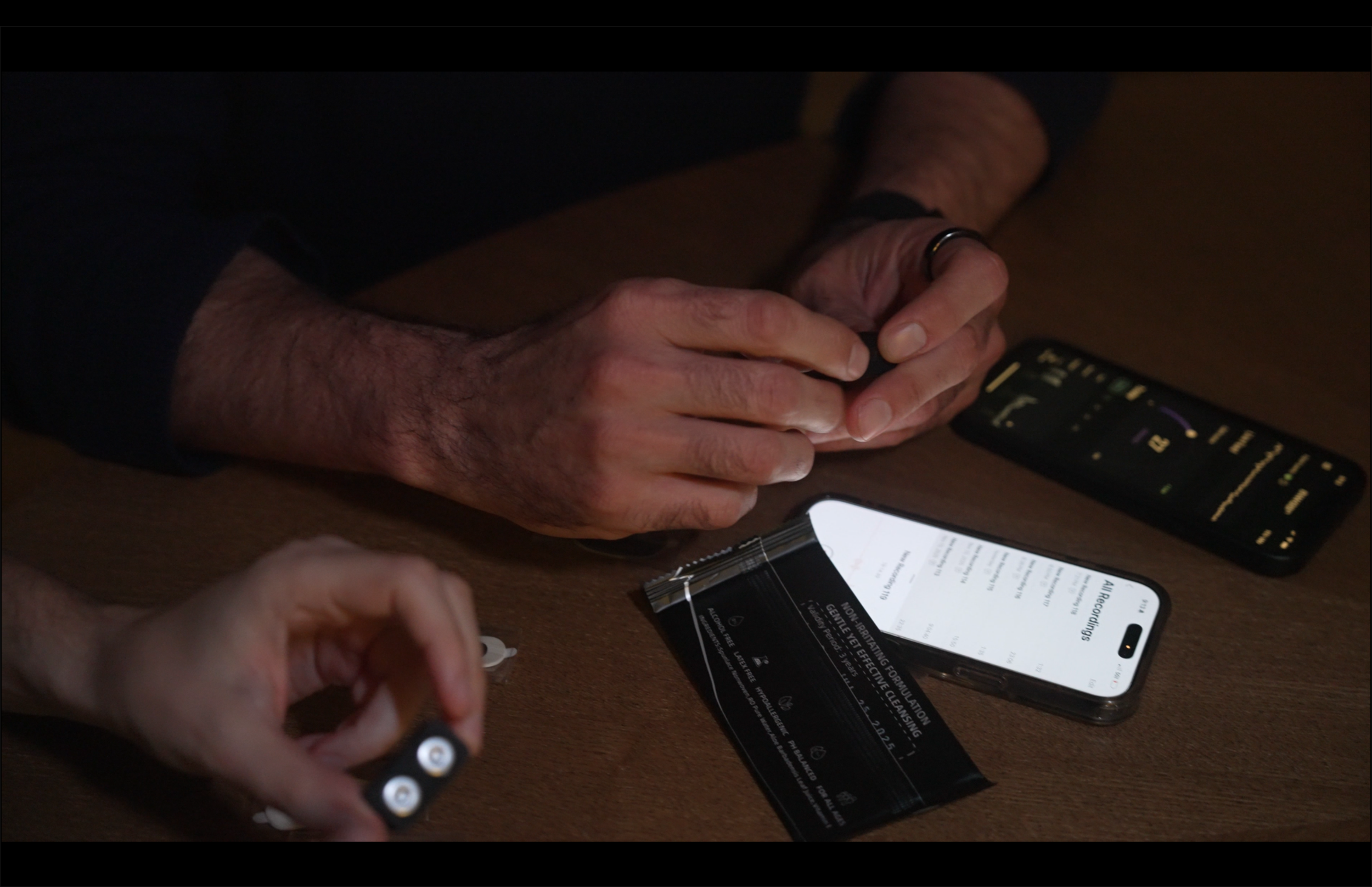
The JoyScore Experiment began with a simple question: can we measure what happens when people experience joy and connection together?
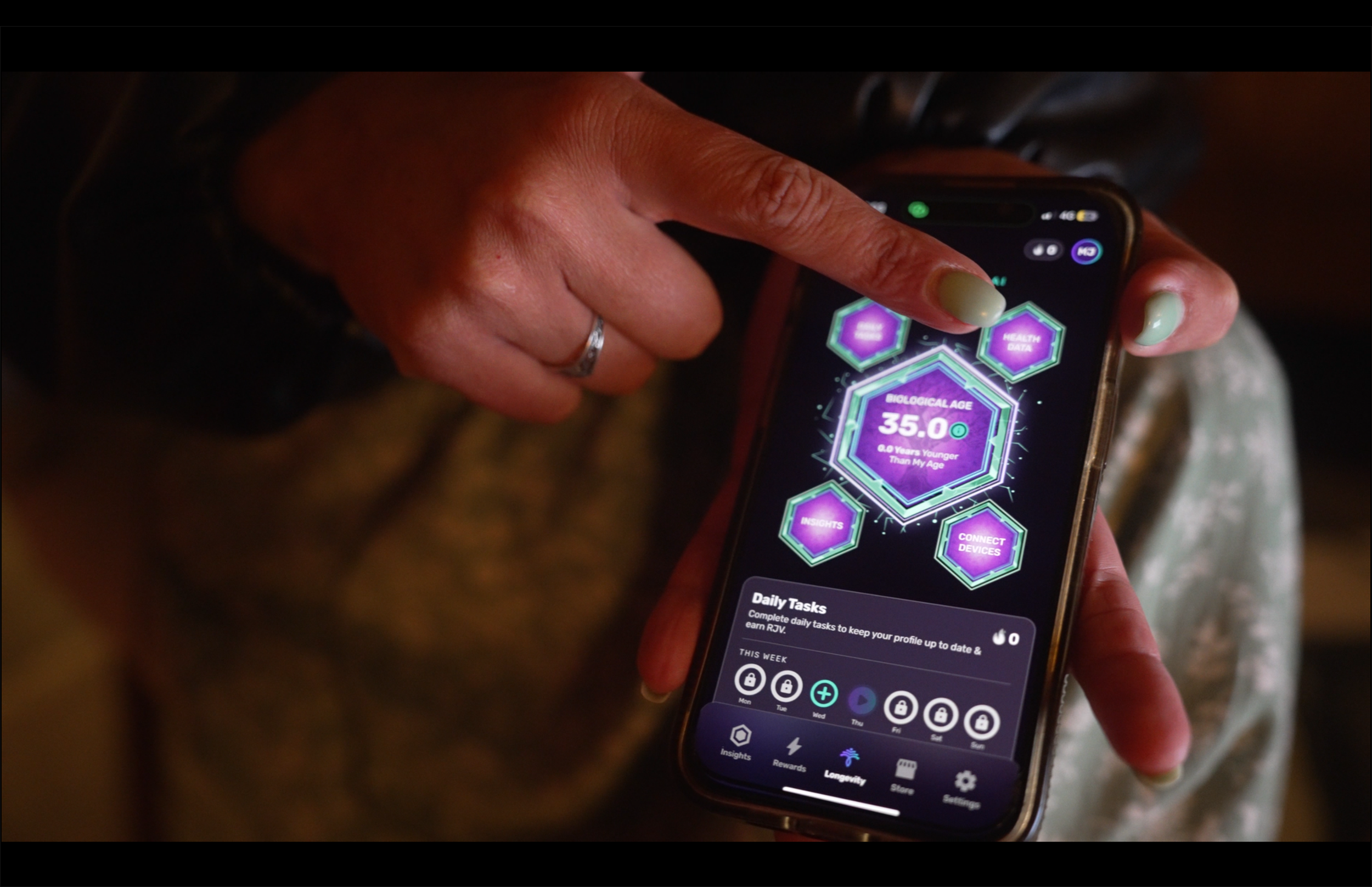
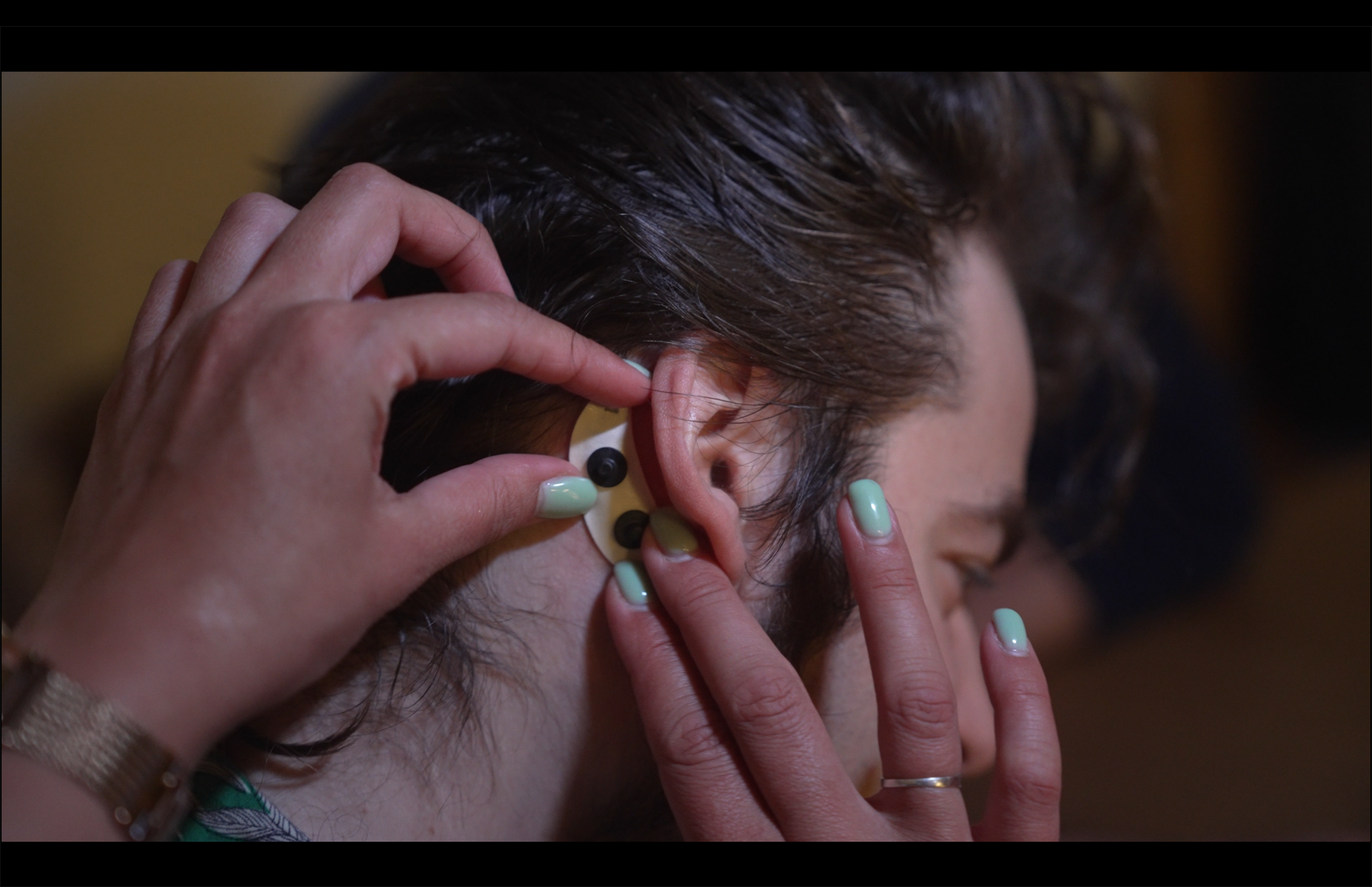
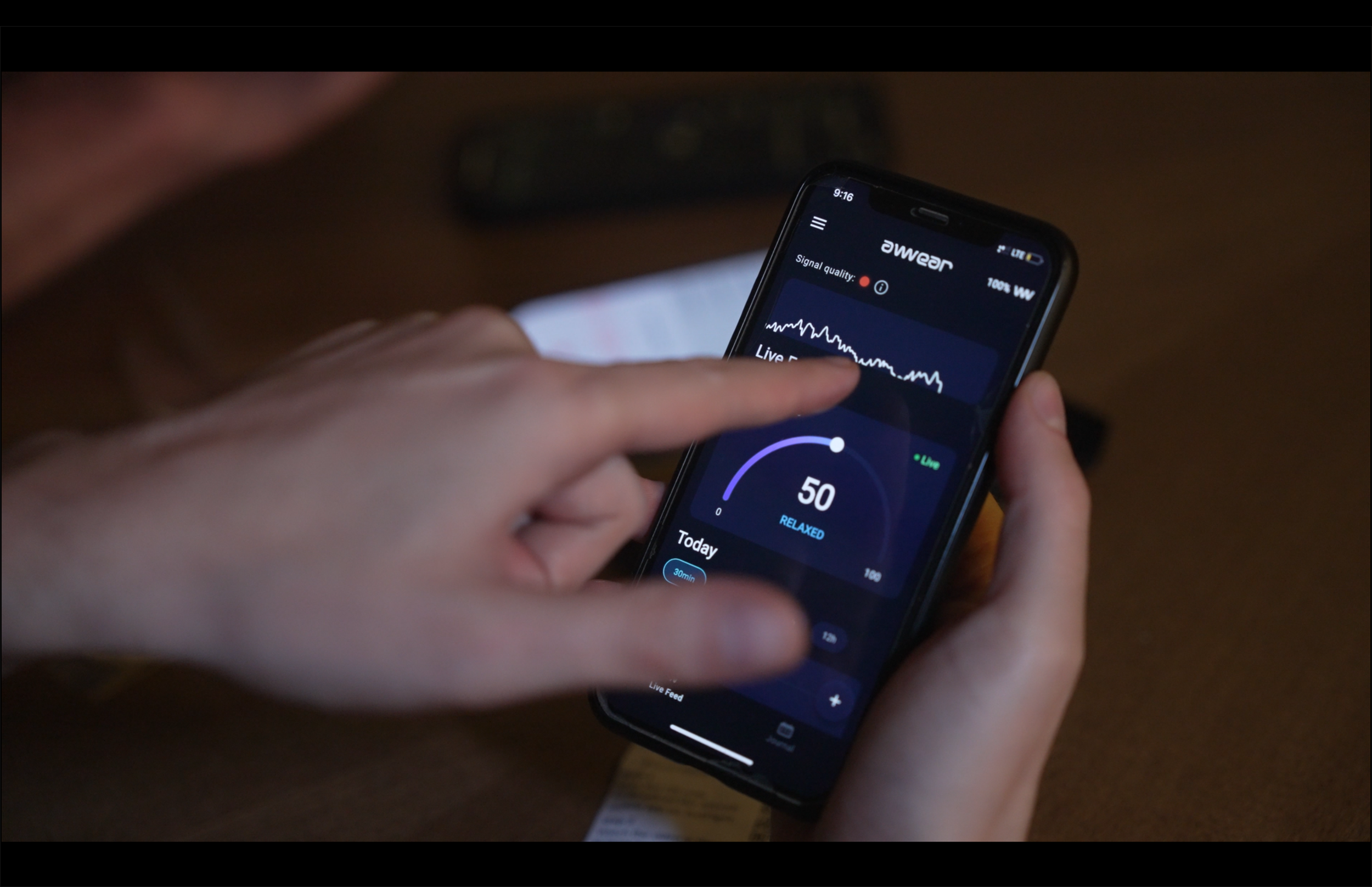
Using the dance floor as a real-world laboratory, our first experiments explored how music, movement, synchrony and social connection influence the brain, body and biomarkers of health.
Today, JoyScore is evolving into something much bigger: an international research platform exploring how positive psychosocial exposures become biologically embedded over time — and how they may influence resilience, intrinsic capacity, healthy ageing and human flourishing.
JoyScore is the flagship research programme of the Positive Psychosocial Exposome Initiative, an emerging international scientific collaboration investigating the biological effects of beneficial psychosocial exposures.
The programme brings together exposome science, neuroscience, ageing biology, immunology, multi-omics, digital biomarkers, behavioural science and artificial intelligence.
Its aim is not simply to demonstrate that positive experiences are good for us. It is to understand how they influence human biology and the ageing process. Click on the green button below to find out more.
Current Partners
Where Science Meets Joy and Human Connection
Our health is shaped by far more than our genes.
Throughout our lives we experience thousands of potentially beneficial exposures: friendship, belonging, purpose, creativity, music, movement, nature, learning, play, awe and shared experiences.
The JoyScore Experiment asks what happens when these exposures accumulate.
Can we measure their effects on the brain, nervous system, immune function, inflammation, metabolism and biological ageing? Do different combinations of positive exposures affect different people differently? And can this knowledge help us intentionally create healthier lives and environments?
Rather than searching for a single “joy biomarker”, JoyScore combines neuroscience, wearables, biological measurement, multi-omics and AI to investigate the complex pathways through which positive experiences may become biologically embedded. This reflects the systems approach set out in the Initiative's scientific framework.





The first Healthy Intervention: Longevity Rave
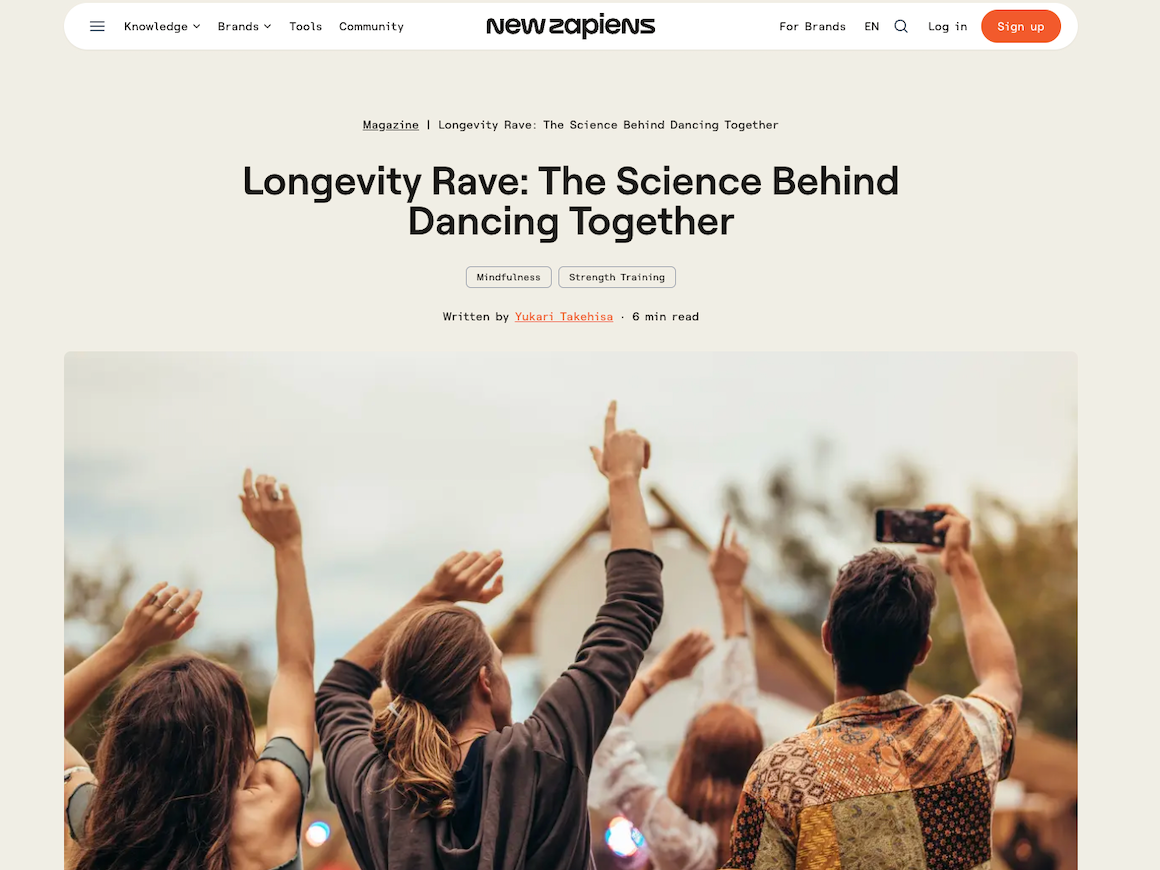
Longevity Rave is where this journey began — and the first real-world Healthy Intervention emerging from the programme.
Music, movement and collective experience create a remarkable natural laboratory in which multiple positive psychosocial exposures occur simultaneously: physical activity, creativity, social connection, synchrony, belonging, emotional expression and shared experience.
JoyScore enables us to study these experiences scientifically and explore how they influence human biology.
But the ambition extends far beyond the dance floor.
A Healthy Intervention can be any evidence-informed product, service, experience or environment intentionally designed to create beneficial psychosocial exposures and improve human flourishing.
In time, this could encompass arts and cultural experiences, digital products, nature, workplaces, preventive-health services, community programmes, buildings, neighbourhoods and cities. This broader translation into products, services, experiences and environments is central to the Initiative's research strategy.